Pre-Purchase Inspection: Put Repairs Into the Budget
A method for defining the inspection mandate, reading report limits, pricing follow-up work and protecting the budget before waiving a condition.
Published 2026-07-21
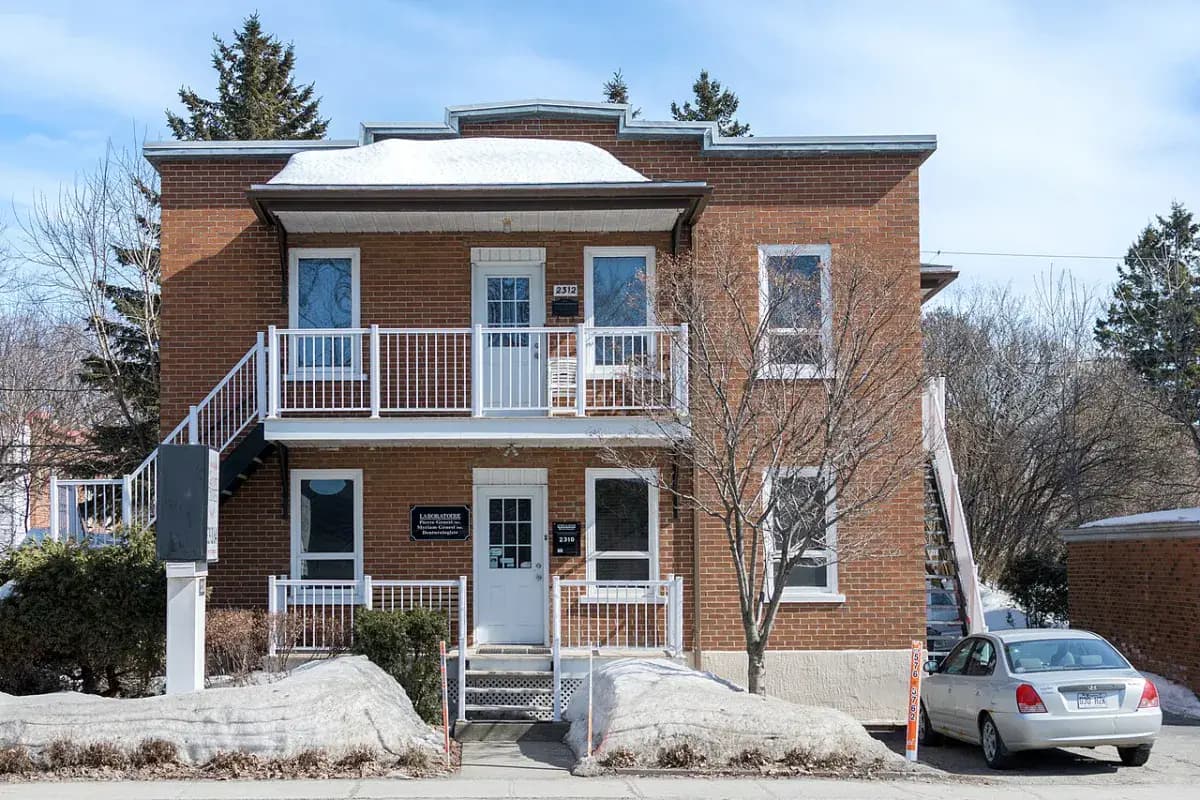
A pre-purchase inspection provides a professional observation of accessible parts of the property at the time of the visit. It is not a warranty or a destructive investigation of everything behind finishes. Its value depends on the mandate, the inspector's competence, available time, documents supplied and follow-up when a specialist is recommended. For budgeting, the report should not remain a loose list of defects. Classify findings by urgency, uncertainty, possible consequence and the professional needed next. Obtain estimates when the decision depends on them. An unpriced repair is not automatically worth zero, but it does not justify an arbitrary deduction either. The goal is to connect observed condition with a reserve, contractual condition or explicit purchase decision.
Define the mandate before the visit
Request a written agreement describing systems examined, exclusions, report format, professional insurance and time planned. Check experience with the property type, whether an older house, condominium, plex, unusual foundation or recently renovated building. Deliver the seller's declarations, available invoices, plans and any clue found during visits. An inspector cannot comment on a document that was not supplied. Attend the inspection to see observations, ask questions and distinguish routine maintenance from repair and specialized investigation. Do not select only by price or availability; compare the actual mandate. When areas are inaccessible because of snow, storage or unsafe conditions, record the impact on scope. An inspection condition should leave enough time for the visit, written report, recommended expert reviews and the decision mechanism in the promise to purchase. Rushing one step can remove the practical value of the condition.
Turn the report into a decision register
For each finding, record the system, observation, stated consequence, suggested timing, missing information and next action. Separate active water entry or safety concerns from cosmetic improvements and normal maintenance. A phrase such as monitor does not provide a cost; ask what sign would trigger intervention and who should evaluate it. A recommendation to consult an engineer, electrician, plumber or foundation specialist is not a diagnosis. It signals the limit of the general inspection. Follow it before waiving the condition when the risk matters to the purchase decision. Keep photographs and identify differences between the report and seller declarations. The register prevents opposite mistakes: dismissing an indicator because it has not been priced, or treating every observation as an immediate replacement. It also creates a practical maintenance list if the purchase proceeds.
Obtain ranges and protect a repair reserve
Request written estimates from appropriate professionals for work affecting price, financing or occupancy. An estimate should state assumptions, scope, materials, related work, taxes and sources of variation. Add contingency when the full extent will be known only after opening a surface. Sort the work into before occupancy, first year and planned maintenance. Do not dedicate the entire reserve to the minimum scenario. Include indirect effects such as temporary accommodation, permits, finish restoration, material removal and insurance changes. When no quote can be obtained within the condition period, choose a prudent reserve from available evidence or decline the risk; do not turn uncertainty into certainty. Tell the lender and insurer about conditions that affect their decision or insurability. The repair budget should identify both cash and timing, since an affordable project can still be impossible if it must be completed before possession.
Use the condition without inventing a warranty
Options after inspection depend on the promise wording, deadlines, report and advice from the professionals representing the parties. A buyer may be able to proceed, seek an amendment or withdraw when legal conditions are met, but the inspection does not automatically create a right to a price reduction for every item. Communicate through the required mechanisms and keep the documents. If a seller agrees to correct something, define who performs the work, to what standard, with which invoices and by what date. A vague phrase such as repair roof can create another dispute. If the buyer accepts the risk, place the work in the post-possession budget and calendar. Do not assume insurance will cover a known condition or that a future claim replaces present diligence. The final decision should name the retained risk, cash reserve and planned follow-up.
Quebec scenario: moisture evidence needs specialist follow-up
During inspection, moisture traces appear near a foundation. The inspector describes visible signs, takes accessible measurements and recommends specialist evaluation rather than declaring that the foundation must be replaced. The buyers use their condition period to obtain a professional opinion and estimate distinguishing drainage, local repair and interior restoration. They include related work and contingency because part of the wall remains closed. The amount exceeds the reserve in the original budget. With appropriate advice, they assess the options permitted by the promise rather than demanding an arbitrary price reduction. The decision considers price, financing, timing and capacity to live with the uncertainty. The general report and specialist opinion remain separate documents with different scopes, allowing the buyers to explain exactly what is known and what remains uncertain.
Checklist
- Read the inspector's mandate, exclusions and insurance information
- Provide seller declarations and available property records
- Attend the visit and ask about inspection limits
- Classify findings by urgency, consequence and uncertainty
- Complete recommended expert reviews when the decision requires them
- Obtain estimates with written scope
- Add permits, related work and contingency to the budget
- Follow the deadlines and mechanisms in the promise to purchase
- Keep a post-possession follow-up calendar
Frequently asked questions
Does an inspection guarantee that no defect exists?
No. It is an observation under a defined mandate on a specific date, normally without opening walls or moving every object. The report identifies limitations and may recommend specialists. It reduces uncertainty and documents decisions rather than certifying that hidden problems do not exist.
Must every observation receive a price estimate?
Items affecting the purchase, financing, safety or reserve deserve proportionate investigation or pricing. Routine maintenance can be planned more simply. Prioritize by consequence and uncertainty, and never present a rough allowance as though it were a contractor's quote.
Can I automatically renegotiate after the report?
Rights and options depend on the promise, findings, deadlines and applicable law. A report does not guarantee a reduction. Consult the broker, notary or lawyer advising the buyer and use the required notices. Any agreement about work or price should be clear and written.