Buying a Condo: Review Fees and the Contingency Fund
How to read syndicate records, connect fees with actual expenses and assess special-assessment risk before purchasing a Quebec condominium.
Published 2026-07-21
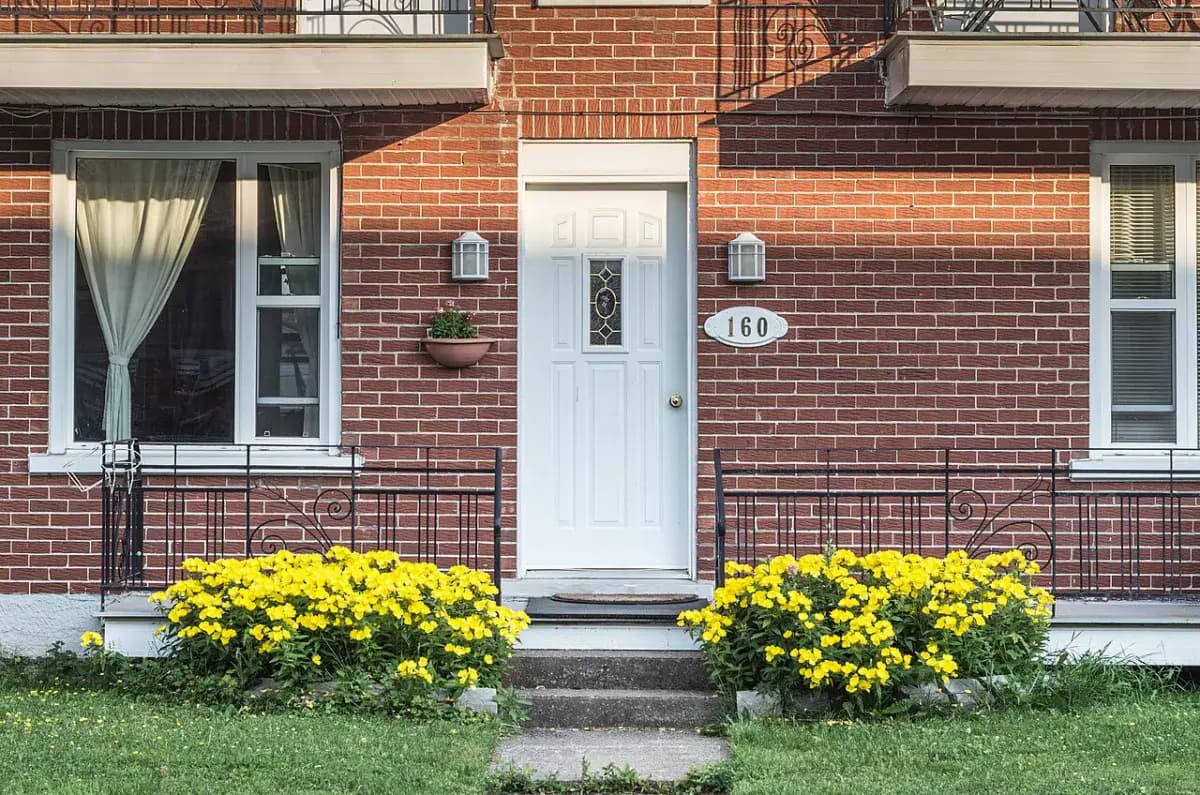
Buying a condominium means acquiring a private portion and a share of common property under a declaration of co-ownership. The budget extends beyond the mortgage and stated monthly fees. It depends on syndicate expenses, insurance, planned maintenance, the contingency fund, approved work, special assessments and rules governing use of the unit. Low fees can reflect efficient management, but they can also signal deferred maintenance or insufficient contributions. Request the available and required records, then have important material reviewed by the appropriate professionals. The objective is not a building with no future work because every property ages. It is to understand how work is planned, financed and allocated, and whether the buyer's budget can absorb both decisions already made and unresolved risks.
Connect monthly fees with the syndicate budget
Ask what fees include: administration, maintenance, common energy, insurance, service contracts, contingency-fund contributions and other reserves. Compare the current budget with previous actual results. A recurring difference between planned and actual spending can lead to an increase or assessment. Review receivables, owners in default, litigation and major contracts. Check the allocation attached to the unit; two similarly sized units may not bear exactly the same share. In the personal budget, add items the syndicate does not cover, including unit insurance, electricity, private maintenance, a possible deductible allocation after a loss, parking and optional services. Do not compare condominiums only through displayed fees. Compare the services received, building condition, fund contributions and obligations left to individual owners. Ask whether an apparent fee reduction came from a one-time surplus or from removing a necessary contribution.
Read the contingency-fund study and maintenance log
The contingency-fund study estimates major repairs and replacements, their timing and required financing under stated assumptions. The maintenance log records building characteristics, inspections, contracts and planned or completed work. Check the study date, horizon, components covered and how the board applies its recommendations. Compare the fund balance with projected expenses without assuming that a large balance is always sufficient. One imminent project can consume it. Identify deferred interventions, revised costs and gaps between the plan and adopted contributions. Read meeting minutes where these matters are discussed. A study is not a cost guarantee and may need revision after a newly discovered problem or different inflation. It still provides a stronger basis than an impression from the lobby or hallway. Have technical terms clarified when they affect the reserve the buyer should maintain.
Find special assessments and decisions in progress
Read owners' and board meeting minutes over enough time to identify recurring files: roof, garage, building envelope, elevators, plumbing, water entry, insurance, litigation and studies. Look for approved work, tenders, borrowing, special assessments already adopted or being discussed and management changes. Ask in writing who must pay an approved assessment when the transaction falls between adoption and instalments; the notary can address allocation in the deed for the specific situation. A seller's statement that no assessment is planned does not replace records. When a project remains under study, build a contribution scenario instead of assigning it zero. Evaluate the ability to pay a lump sum or higher monthly amount beside the mortgage. A well-run condominium can still need expensive work. Transparency and financing discipline matter more than a temporary absence of invoices.
Coordinate inspection, insurance and use restrictions
An inspection of the unit may not cover every common element. Give the inspector the maintenance log, fund study and available reports so visible observations can be compared with records. Ask what remains outside the mandate and whether a common expert review exists. Then compare the syndicate policy with the coverage the owner must purchase, including unit improvements, contents, liability, deductibles and specific risks. Confirm needed information with an insurer before waiving conditions. Read the declaration and bylaws for rentals, pets, renovations, charging stations, storage, parking and business use. A restriction can change the unit's value to the buyer without affecting physical condition. Finally, disclose fees, co-ownership type and requested documents to the lender; syndicate issues can influence financing or insurability. These reviews should converge before the buyer treats the condominium as affordable.
Quebec scenario: low fees before a major project
A buyer compares two condominiums. The first has lower fees, but minutes have discussed garage water entry for years and the contingency-fund study was updated late. The balance looks large, yet the projected work would consume most of it and an assessment is under discussion. The second charges more each month, follows the recommended contribution path and documents completed work. The buyer estimates three-year cost with a reasonable fee increase and special-assessment scenario for both buildings. She also has key records reviewed and verifies insurance. The first condominium is not automatically a poor purchase, but its price must be assessed with more reserve and uncertainty. She ultimately chooses the option whose obligations fit her liquidity rather than the one with the lowest current monthly line.
Checklist
- Obtain the declaration of co-ownership and bylaws
- Compare budgets, financial statements and actual fees
- Read the contingency-fund study and its date
- Review the maintenance log and deferred work
- Examine minutes and assessments under discussion
- Check litigation, losses and owner arrears
- Clarify allocation of an approved assessment
- Coordinate inspection of private and common portions
- Compare syndicate insurance with personal coverage
Frequently asked questions
Are low condominium fees an advantage?
They reduce today's monthly cost but do not prove the building costs less over time. Review included services, completed maintenance, fund contributions, deficits and work. Insufficient fees can move the expense into an increase or special assessment.
Does a large contingency fund remove assessment risk?
No. Compare the balance with planned work, timing, estimated cost and study assumptions. A loss, cost revision or unplanned project can change the need. Review the contribution strategy actually adopted by the syndicate as well.
Does my unit inspection cover the whole building?
Not necessarily. The mandate may focus on the unit and accessible common portions. Ask about limits and provide available studies, reports and logs. A specialized review or broader common inspection may be required for an issue affecting the purchase decision.