Short-Term Rental: Coordinate Platform and Home Insurance
Disclose the rental activity to your insurer: the platform’s coverage is limited by its own terms.
Published 2026-07-21
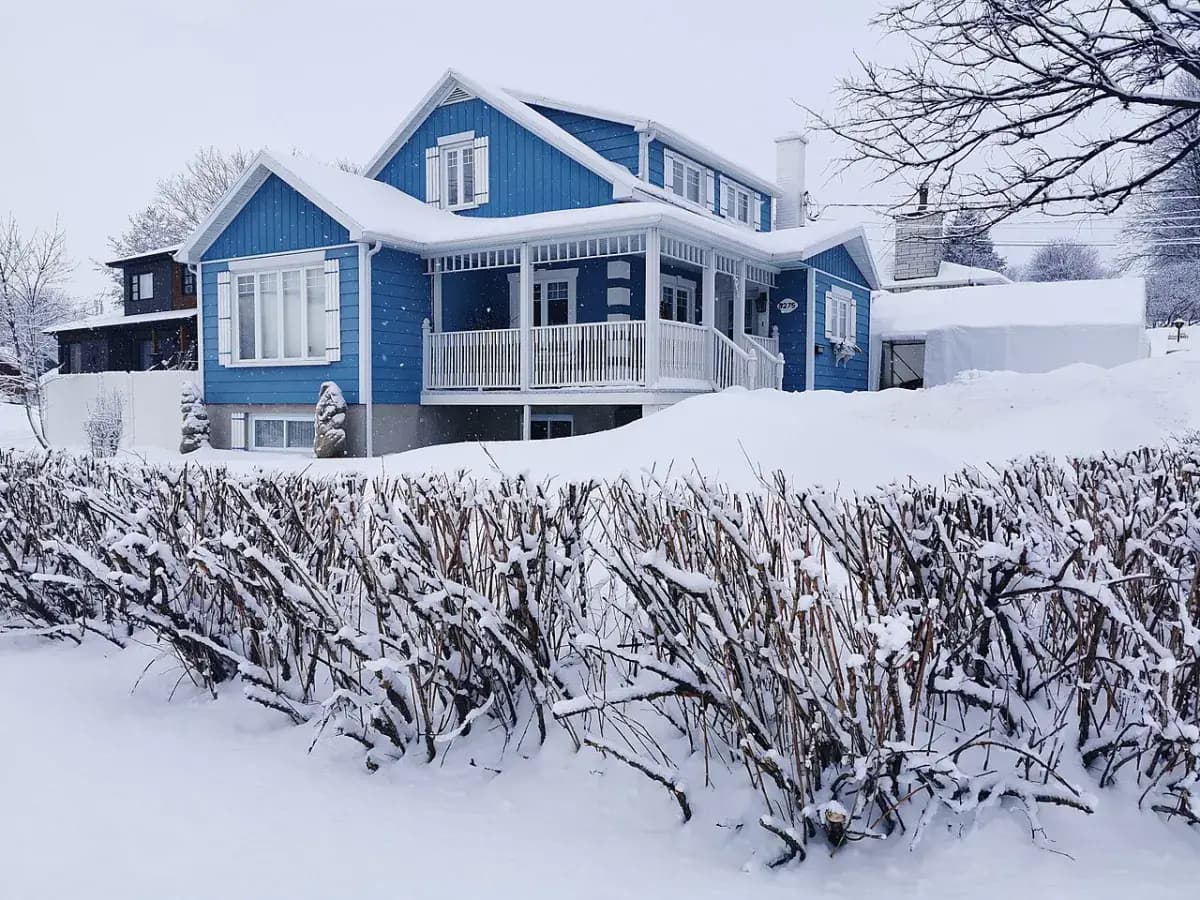
Putting a cottage or a dwelling on a rental platform takes an hour; making it compliant takes a few weeks, and the order of steps matters. The insurer first: renting for compensation is a change of risk to declare, the ordinary policy excluding commercial activity, and a claim during an undeclared stay exposed to denial; the short-term rental rider covers building, belongings and liability during stays, under conditions — capped days and declared periods. The platform's guarantee next, read in full: a secondary net, capped, with strict exclusions and procedures — a useful complement and never a substitute. The local rules last: the municipal by-law, registration and certificate depending on locality, and co-ownership or association rules, which can prohibit the activity outright. Rental income loss after a covered event is added as an option. This article orders the steps, details the riders' typical conditions and supplies the full compliance list before the first guest.
Declare the rental activity to the insurer
A home policy covers personal residential use, and short-term rental constitutes a commercial use that most contracts exclude or restrict. Renting without declaring it exposes you to a denied claim, including for a loss unrelated to the rental: the insurer can invoke the misrepresentation of the risk. The correct step is declaring the activity before the first booking, obtaining an endorsement or a suitable policy, and keeping the confirmation. The additional premium is real but bears no comparison to the risk otherwise carried.
Read the limits of the platform's protection
Platforms offer protection presented as reassuring, but it is neither an insurance policy nor a substitute for one. It applies under its own conditions, carries extensive exclusions, requires a claim within a short window, and often responds only after your own insurance. Several common damages are absent from it: wear and tear, gradual water damage, valuables, lost income beyond a limit. The platform's documentation is read in full before relying on it, and the exercise generally reveals a substantial gap between the marketing promise and the actual coverage.
Cover the property, the liability and the income
Three distinct needs get verified separately. Property: the furniture and equipment made available to guests, often excluded or sub-limited under commercial use. Civil liability: a guest injured at your place triggers a claim the personal policy can refuse where an undeclared commercial use exists, and the amounts at stake dwarf everything else. Lost income last: a loss making the unit uninhabitable interrupts the rental revenue, a loss covered only if the coverage was explicitly taken out for rental use.
Verify municipal and condominium rules
The regulatory side precedes the insurance, because it can empty it of meaning. Many Quebec municipalities regulate or prohibit short-term rental in certain zones, with registration requirements and significant fines. Condominium declarations frequently contain an explicit prohibition. Carrying on an illegal activity or one contrary to the rules compromises the insurance itself, the insurer being able to refuse a loss tied to non-compliant use. The verification happens with the municipality and in the condominium declaration, before the unit is listed on any platform. Both checks take an afternoon.
Quebec scenario: compare before confirming
The cottage in Petite-Rivière-Saint-François sleeps forty weeks a year, and its owner decides to make it earn its keep on a short-term rental platform. Listing it takes an hour; making it compliant takes three weeks, and she starts from an acquaintance's bad memory: a claim denied after damage caused by renters, the insurer never having been told of the activity. First call, therefore, to her home insurer: renting for compensation is a change of risk that must be declared, a non-negotiable point; her current cottage policy excludes commercial activity, and keeping the contract requires a short-term rental rider, $280 a year, covering the building, her belongings and civil liability during stays — under conditions, a capped number of days and declared periods. Second verification: the platform's guarantee, which she reads in full this time, turns out to be a secondary net — capped, hedged with exclusions and strict procedures — a useful complement but never a substitute for declared insurance. Third layer, outside insurance but linked: the municipal by-law requires registration and a certificate, and the private road's owners' association imposes its own consent. Rental income loss, should a covered loss make the cottage uninhabitable, is available as an option; she takes it. The first renter arrives into a fully documented file, and every condition of the rider, noted in her booking calendar, gets honoured season after season.
Checklist
- Declare the rental activity to the insurer first
- Obtain the short-term rental rider
- Respect the capped days and declared periods
- Read the platform's guarantee in full
- Treat it as a complement, never a substitute
- Check the municipal by-law and registration
- Check the co-ownership or road association
- Add rental income loss as an option
- Log the conditions in the booking calendar
Frequently asked questions
Can I rent out my cottage without telling my insurer?
No: renting for compensation is a change of risk that must be declared, and an ordinary policy generally excludes commercial activity. A claim during or after an undeclared stay is exposed to denial. The short-term rental rider exists precisely to cover the activity, under conditions.
Isn't the platform's guarantee enough?
No: read in full, it turns out to be a secondary net — capped, hedged with exclusions and strict procedures. A useful complement, never a substitute for declared insurance. Rental income loss after a covered event, meanwhile, is added as an option to your own policy, not the platform's.
Which checks go beyond insurance?
The municipal by-law — registration and certificate depending on the locality — and the co-ownership or road-association rules, which can prohibit or frame the rental. An activity compliant on all three fronts — insurance, municipality, co-ownership — gets documented once and honoured season after season.