Rental Property: Test Financing and Cash Flow
Test the cash flow with cautious rental income after vacancy, then subtract taxes, maintenance, insurance and management.
Published 2026-07-21
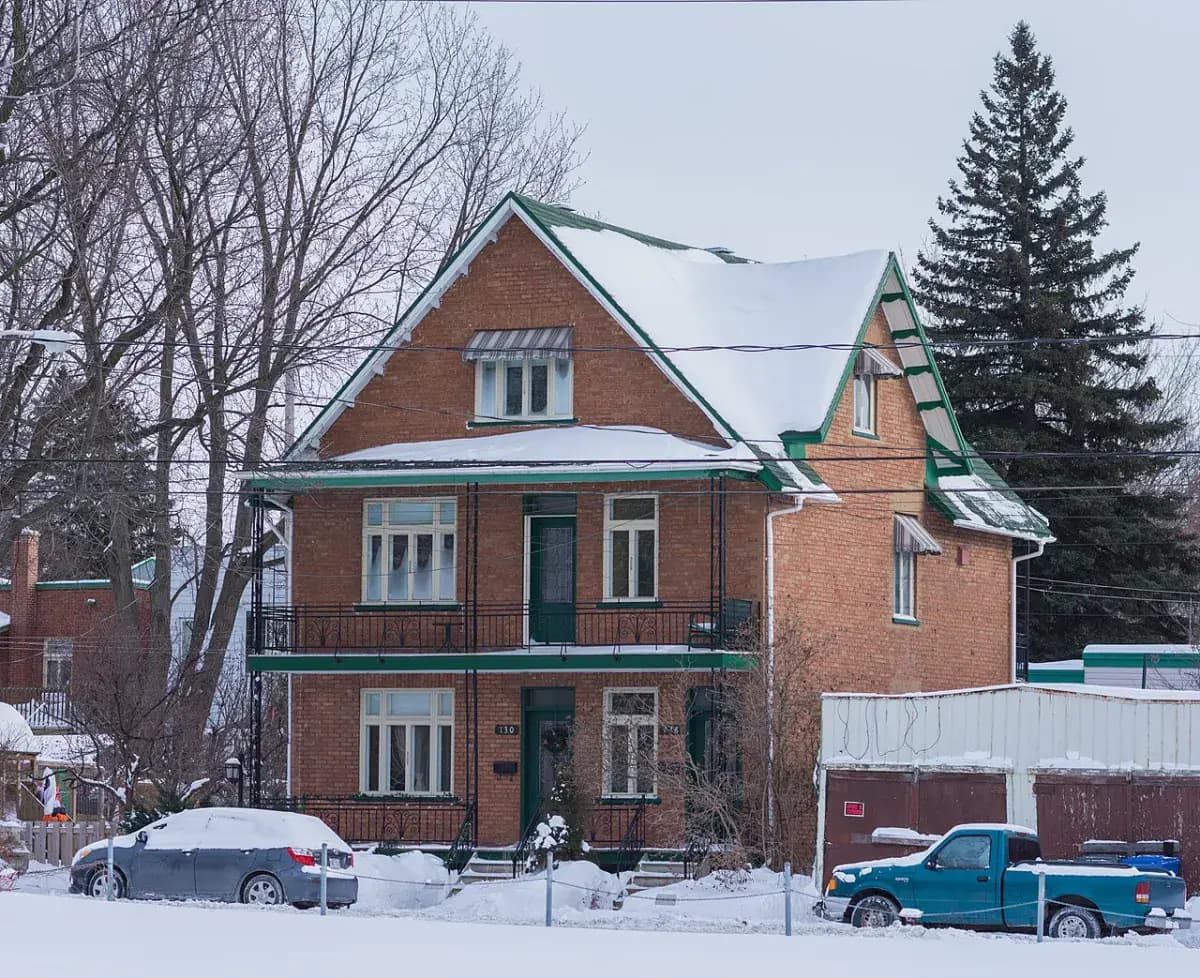
A rental building is sold on its advertised cash flow, and bought on a cash flow rebuilt in four layers. Cautious income first: the signed leases rather than the posted rents, minus a vacancy allowance. Complete expenses next: taxes, rental-building insurance, maintenance at about one percent of value, snow removal, and a management provision even when self-managing. The financing after: down payment according to occupancy, and only a fraction of the rents counted toward qualification. The stress test last: the payment must stay bearable for a few months with no rent at all, and the repair reserve gets funded before the first tenant. The maximum reasonable price comes out of this calculation, not the sales sheet, and the gap between the two separates an asset from a burden. This article runs the four layers through one fully worked case — the arithmetic that decides whether a building deserves an offer.
Check the advertised income against the signed leases
A rental building is sold on its advertised income and bought on its proven income. The signed leases give the real amounts, the end dates and the vacant units; the listing sheet often gives the seller's ambition. The gap between the two routinely runs to thousands of dollars a year. The working income is then calculated cautiously: the leases' rents, minus a realistic vacancy allowance — one month per unit every two years in a normal market, more in a soft sector. Leases nearing expiry deserve particular attention, a departing tenant potentially revealing that the recorded rent exceeded the market. That cautious income becomes the sole basis for every calculation that follows.
Price the expenses in full
Listing sheets display the municipal and school taxes and often stop there. The complete portrait adds rental-building insurance, costlier than residential; routine maintenance, estimated around one percent of value per year; snow removal and grounds upkeep; the services included in the leases, heat or electricity as the case may be; and a management provision even when self-managing, your time collecting rent, showing units and handling emergencies having a value that will become an expense the day you delegate. The major-repairs reserve completes the list: roof, balconies, windows and furnace will eventually give out, and their provision belongs to operating costs, not to surprises.
Test the financing and its own rules
Financing an income property follows rules distinct from a residence's. The required down payment depends on the number of units and on whether you occupy one of them. The lender counts only a fraction of the rents toward qualification, using its own method, often half or less for buildings not occupied by the owner. Both rules are asked about precisely before setting a maximum price, because they determine the amount actually borrowable — often well below what the gross income suggested. The lender's appraisal can also differ from the negotiated price, a gap to bridge in cash. A preapproval based on the target building, not just on your salary, prevents bad surprises between the offer and the disbursement.
Simulate the quarter without rent
The deciding test runs on a realistic adverse scenario: three months without rental income from one unit, a tax increase, a major repair in the same year. If the mortgage payment then requires the credit card or the line of credit, the price is too high or the reserve too thin. That test sets the reasonable maximum price, often clearly below the asking price, and the offer starts from that figure rather than the listing's. The repair reserve is funded before taking possession, not after the first emergency: a building bought without a reserve transfers every surprise onto the owner's personal credit. The building that passes this test at your price becomes an asset; the one that passes only at the seller's price remains a bet. Test at your own number.
Quebec scenario: compare before confirming
A Saint-Jérôme duplex listed at $520,000 tempts a couple of nurses: the advertised rents, $2,900 a month combined, seem to carry the financing on their own. Before offering, the couple puts the building through a four-layer reality test. Revenue first: the actual leases show $2,650, and one month of vacancy per unit every two years brings the cautious figure to about $2,480. Expenses next, the ones sales sheets omit: $6,200 in taxes, rental-building insurance costlier than residential, maintenance estimated at 1% of value, snow removal, and a management provision even though they will self-manage, because their time is not free. The financing demands its own down payment, higher than a residence's depending on occupancy, and the lender counts only a fraction of rents toward qualification. The final test is the hardest: the payment must stay bearable for three months with no rent at all — the scenario of a bad tenancy start or surprise repairs. Their budget passes at $480,000, not at $520,000. The offer goes in at that price and is refused. Six weeks later, a comparable building accepts $472,000, and the $15,000 repair reserve is funded before the first tenant ever calls.
Checklist
- Rebuild the income from the signed leases
- Subtract a vacancy allowance
- List every expense the sheets omit
- Add a management provision even when self-managing
- Verify the down payment and counted rent fraction
- Test the payment with no rent for a few months
- Fund the repair reserve in advance
- Derive the maximum price from the math
- Offer on the calculation, not the listing
Frequently asked questions
How do I establish cautious rental income?
Start from the signed leases, not the advertised rents, then subtract a vacancy allowance — one month per unit every two years, say. The cautious figure drives everything: the cash-flow test, the maximum price and the qualification. Optimism gets paid for monthly, for twenty-five years.
Which expenses do sales sheets leave out?
Rental-building insurance, costlier than residential; maintenance at about 1% of value per year; snow removal; and a management provision even when self-managing. Added to taxes, those lines often turn an advertised positive cash flow into a real negative one.
What final test comes before making an offer?
The payment must stay bearable for a few months with no rent at all: a bad tenancy start, repairs, turnover between tenants. Add a repair reserve funded before the first tenant. A building that only passes this test at a lower price has just told you your maximum price.