Renovations: When to Notify Your Home Insurer
Report the nature, cost and duration of the work to your insurer, especially if the home will be unoccupied during construction.
Published 2026-07-21
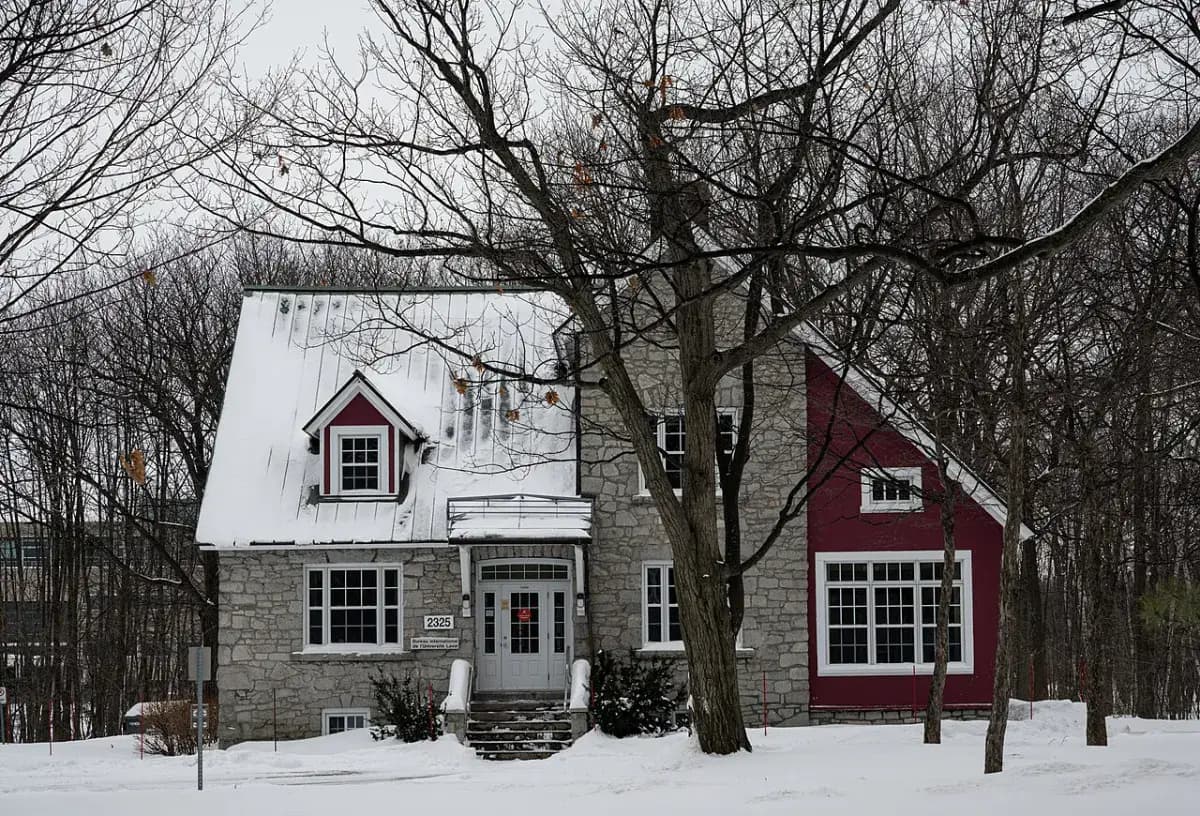
A renovation project transforms the house, and it also transforms the risk the insurer agreed to cover; the contract therefore requires notice — before the first hammer swing. Three subjects structure the call. Declaring the work first — nature, cost and duration — an undeclared transformation able to compromise a claim even one unrelated to the site. Occupancy next: a home unoccupied during the major phase triggers the vacancy restrictions beyond a set number of days, settled by a notice and a simple arrangement. Value last, the most forgotten point: the work raises the reconstruction cost, and the insured amount must follow the moment the site closes, on pain of underinsurance and the coinsurance clause. Verifying the contractor — licence and liability insurance — completes the file. This article organizes these calls in the right order, with the precise questions and the temporary riders that cost a few dozen dollars.
Declare the worksite before the first hammer swing
A worksite changes the risk the insurer priced: stored materials, workers, opened systems, value in transformation. The contract requires declaring significant work — nature, cost, duration — before it starts, and the penalty for silence is broad: an undeclared transformation can compromise a claim, even one with no direct link to the work. The significance boundary is drawn roughly: paint and routine repairs pass without a call; the extension, kitchen, bathroom, roof, electrical or heating systems get declared. Doubt is settled by the phone call, five minutes that document good faith. The insurer answers with a confirmation, sometimes a temporary worksite rider, to archive with the renovation file.
Settle the occupancy question
Major work often empties the dwelling, and vacancy triggers its own clauses: beyond a number of days set in the contract, often thirty, coverage narrows — water damage first — absent notice to the insurer. The remedy is negotiated in advance: the vacancy notice, accompanied by an arrangement — regular documented visits, or a specific rider for the worksite's duration, at modest cost. Seasonal obligations add on in winter, heating maintained or the water supply shut, a frozen pipe in an empty house leaking for weeks. The visit regime gets documented, time-stamped photos, the burden of proving compliance falling to the owner. Managed vacancy is an administrative detail; vacancy discovered at the loss is a ground for denial.
Vet the contractor and frame the contract
Vetting the contractor protects your insurance as much as your worksite: the licence is verified in the public register, the liability insurance requested as a certificate, because damage caused by an uninsured contractor climbs back toward your policy, with the recourse complications that follow. The written contract specifies responsibilities — who insures what during the work, the stored materials, damage to existing structures. Required permits are confirmed, a non-compliant worksite complicating claims and resale. These precautions follow the same principle as the declaration: every grey zone eliminated before the worksite is a dispute eliminated after. The complete file — licence, certificate, contract, permits — is stored with the insurance documents, where it will serve if the worksite goes wrong.
Revise the insured amount when the work ends
With the worksite closed, the house costs more to rebuild: the extension, the kitchen, the new systems add to the reconstruction value, and the insured amount must follow — otherwise the improved house is underinsured the day the work ends, with the coinsurance clauses' consequences on any partial loss. The end-of-work call, real cost of the work in hand, updates the contract; the insurer's valuation tool recalculates as needed. It is the initial call's mandatory counterpart, and the more forgotten of the two: the opening declaration protected the worksite, the closing revision protects the transformed house. The work's invoice, kept on file, incidentally documents the adjusted cost base for the taxation of an eventual sale.
Quebec scenario: compare before confirming
A couple in Chambly plans a kitchen extension: $70,000, an eight-week worksite, three weeks at the parents' place during the major phase. The contractor is chosen, the permit issued, and nobody has thought about the insurer. Their broker catches the oversight in time and works through the situation. The nature, cost and duration of the work must be declared before it starts: a worksite changes the risk, and an undeclared transformation can compromise a claim. The vacancy during the major phase requires its own notice, since most policies restrict coverage when a home sits unoccupied beyond a set number of days; a planned daily visit settles the point. She verifies the contractor's liability insurance and licence, so the couple's coverage never has to stand in for the builder's. Finally, the most forgotten item: after the work, the home's reconstruction value will have risen by $70,000, and the insured amount must follow, otherwise the couple would be underinsured the day the worksite closes. Two phone calls, a temporary rider at $60, and the project continues without a blind spot — the cheapest line in the renovation budget.
Checklist
- Declare nature, cost and duration before the site opens
- Report the vacancy during the major phase
- Arrange visits or a temporary rider
- Verify the contractor's licence and insurance
- Document the premises' condition before work
- Report schedule changes
- Recalculate the reconstruction value after the work
- Adjust the insured amount when the site closes
- Archive the riders and written confirmations
Frequently asked questions
Which renovations must I report to my insurer?
Those that change the risk: an extension, kitchen, bathroom, roof, electrical or heating system — any project significant in nature, cost or duration. The declaration happens before work starts. An undeclared transformation can compromise a claim, even one unrelated to the work.
Is a home unoccupied during the work a problem?
Yes: most policies restrict coverage beyond a set number of unoccupied days. A notice to the insurer and an arrangement — regular visits or a temporary rider — settles it for a few dollars. Silence, meanwhile, costs at claim time.
Why review the insured amount after the work?
Because the reconstruction value just rose by the cost of the work: a $70,000 extension not reflected in the contract leaves you underinsured the day the site closes, with the consequences coinsurance clauses carry. The end-of-work call matters as much as the first one.